The Retirement Multiple
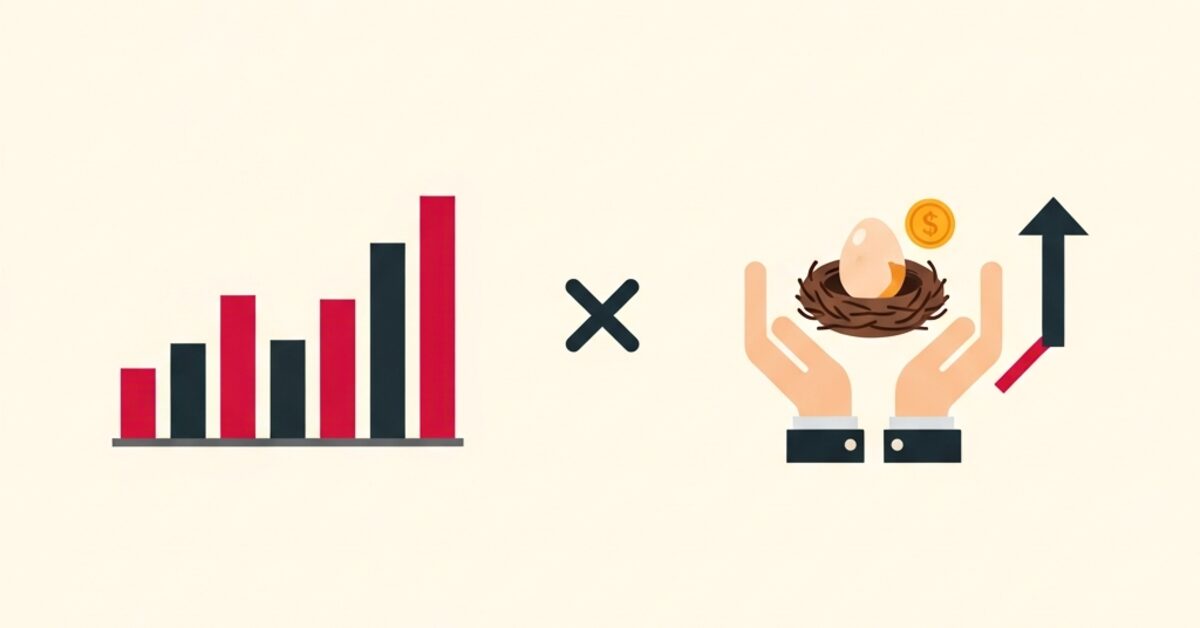
The Retirement Multiple is what an owner-led business is actually worth at exit, expressed as a multiple of earnings — and it rises as the company's dependence on its owner falls. It reframes the owner's job from maximizing this year's profit to maximizing the price the business can ultimately command when they walk away.
I introduced this in Automate, Launch, Retire as the number that should anchor every owner's strategy. Most founders optimize earnings; the Retirement Multiple says the more important variable is the multiple applied to those earnings, which is set almost entirely by how transferable and de-risked the business is. Two companies with identical profit can sell for wildly different prices, and the gap is the multiple.
It is the constructive mirror image of the Owner Dependence Tax: the tax measures what you lose by being indispensable, the multiple measures what you gain by becoming optional.
An owner takes a business from $800K to $1M in annual profit over three years — a 25% gain — while staying the single point of failure for sales and operations. Impressive, but the buyer still applies a cautious 3x multiple: a $3M exit.
A second owner holds profit flat at $800K but spends those three years building systems, hiring a general manager, and converting one-off work into recurring contracts. The business now runs without them, so a buyer applies a 6x multiple: a $4.8M exit on lower earnings. The second owner grew the Retirement Multiple instead of the profit — and was paid more for it, while also buying back their own time.