Coined frameworks, defined
Canonical definitions for the frameworks I use across my books and writing — the names I give to recurring problems and disciplines in AI, ownership, real estate, and accountability. Each term has its own page with a plain definition, where it came from, a worked example, and the book that develops it. These are working definitions, drafted for review.

Owner Dependence Tax
The hidden discount a business carries when it cannot run without its owner — paid in lower valuation, harder exit, and a life that never gets time off.
Read the definition
Dirty Data Tax
The compounding cost of bad data — mislabeled, stale, duplicated, unreconciled — silently priced into every decision an organization makes on top of it.
Read the definition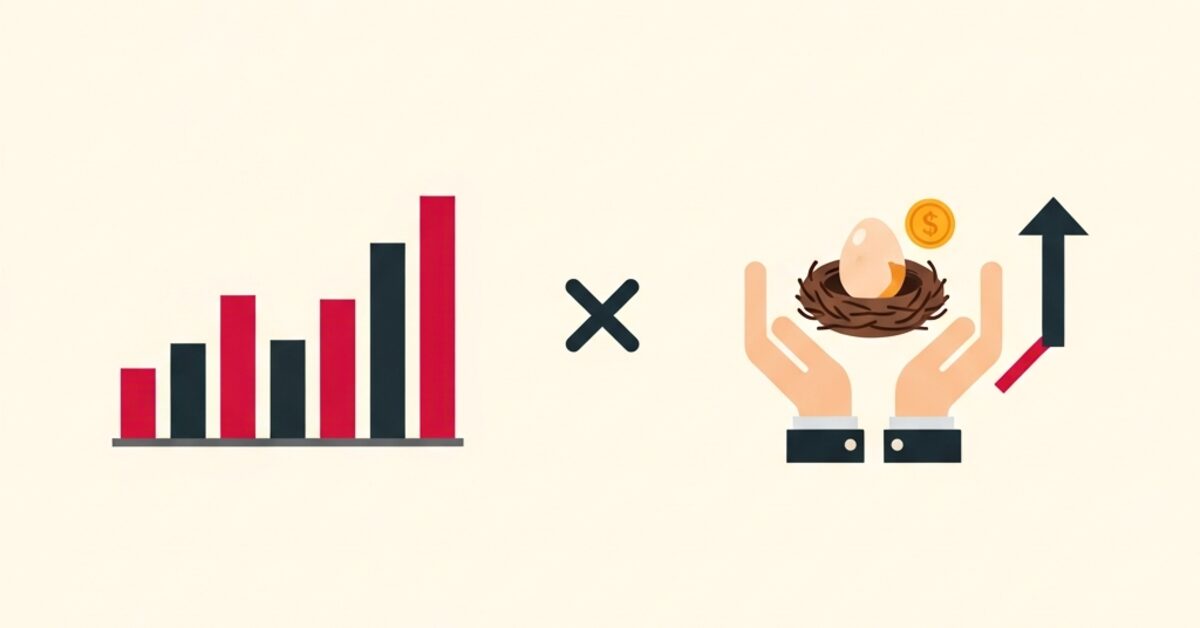
The Retirement Multiple
What an owner-led business is actually worth at exit, expressed as a multiple that rises as the company's dependence on the owner falls.
Read the definition
The Human Review Rule
The principle that above a defined risk threshold, a named human must approve an autonomous action before it commits — decided before deployment, not after the incident.
Read the definition
The 24-Hour Deal Memo
An underwriting discipline: a complete, decision-ready deal memo produced within a day, made possible when AI handles assembly and clean data feeds the model.
Read the definition
Agent of Record
The named, insurable party bound to every autonomous action — the responsible entity on file when AI acts on someone's behalf in the real world.
Read the definition